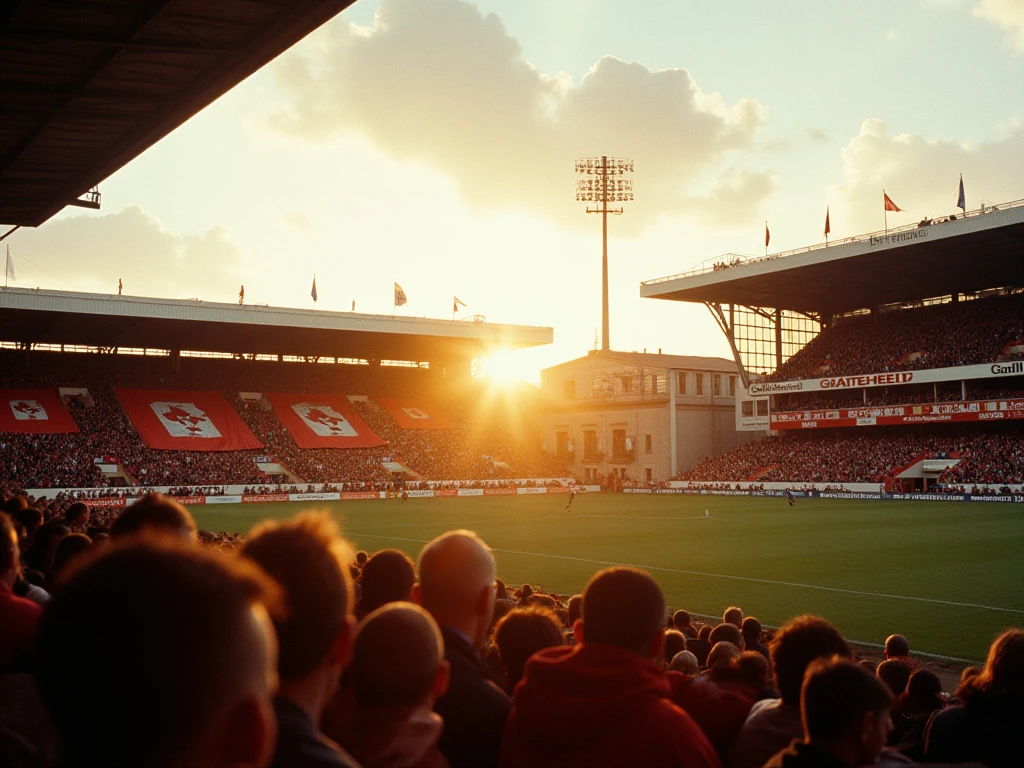
The 1980s were a defining moment for Gateshead FC, often seen as a period of revival and resurgence for the club, affectionately known as The Heed. At a time when football was evolving, Gateshead managed to carve out its place in the regional football scene, showcasing resilience and passion that would lay the groundwork for future successes.
One of the standout moments came in the 1981-82 season when Gateshead secured a spot in the newly formed Alliance Premier League, now known as the National League. This was a monumental achievement for the club, representing a significant leap from the lower divisions of non-league football to a more competitive arena. The introduction of the Alliance Premier League was pivotal, as it not only provided a platform for teams to showcase their talents but also elevated the standard of football across the board. Gateshead's inclusion in this league was a testament to the hard work and dedication of players and management alike.
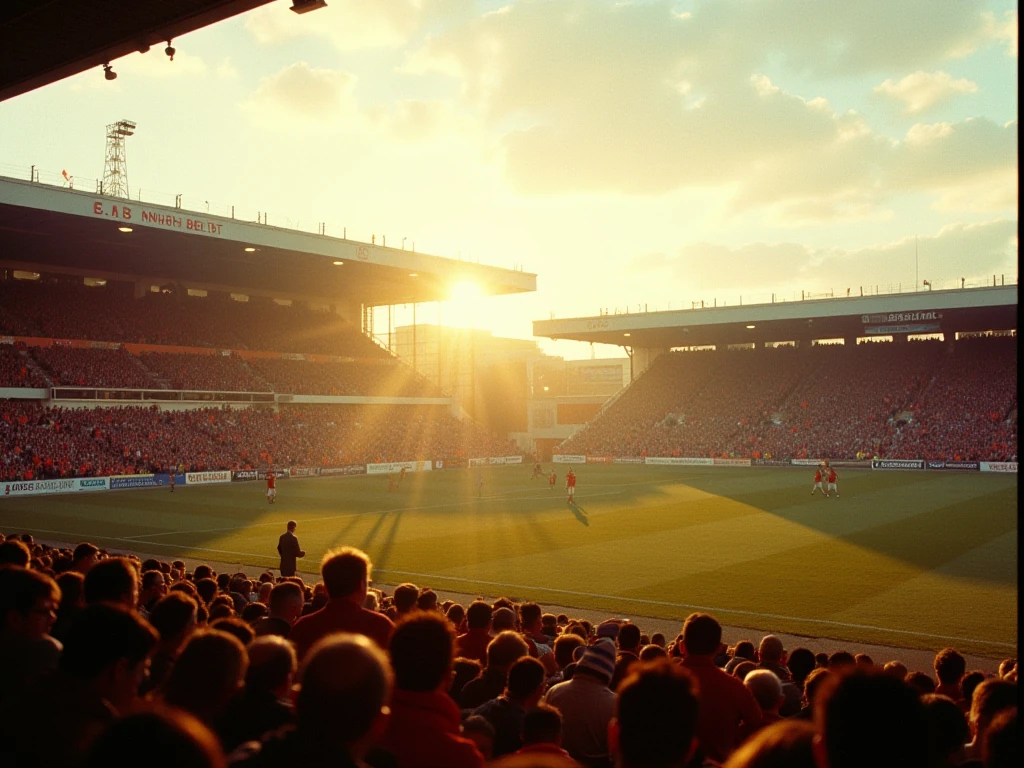
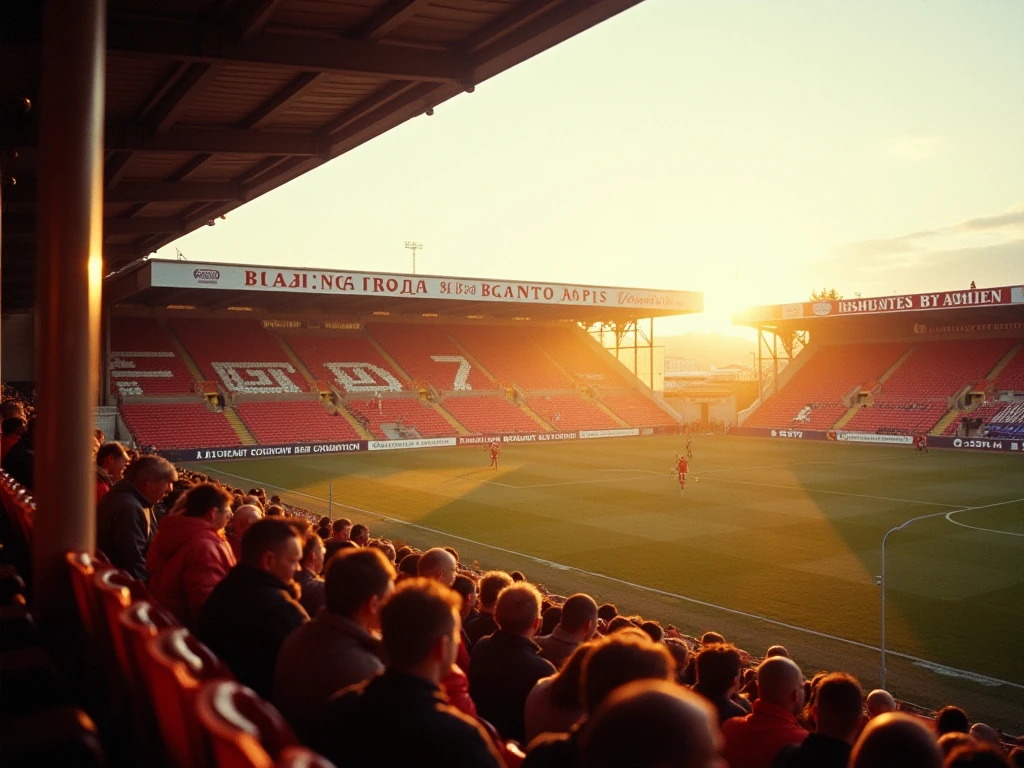
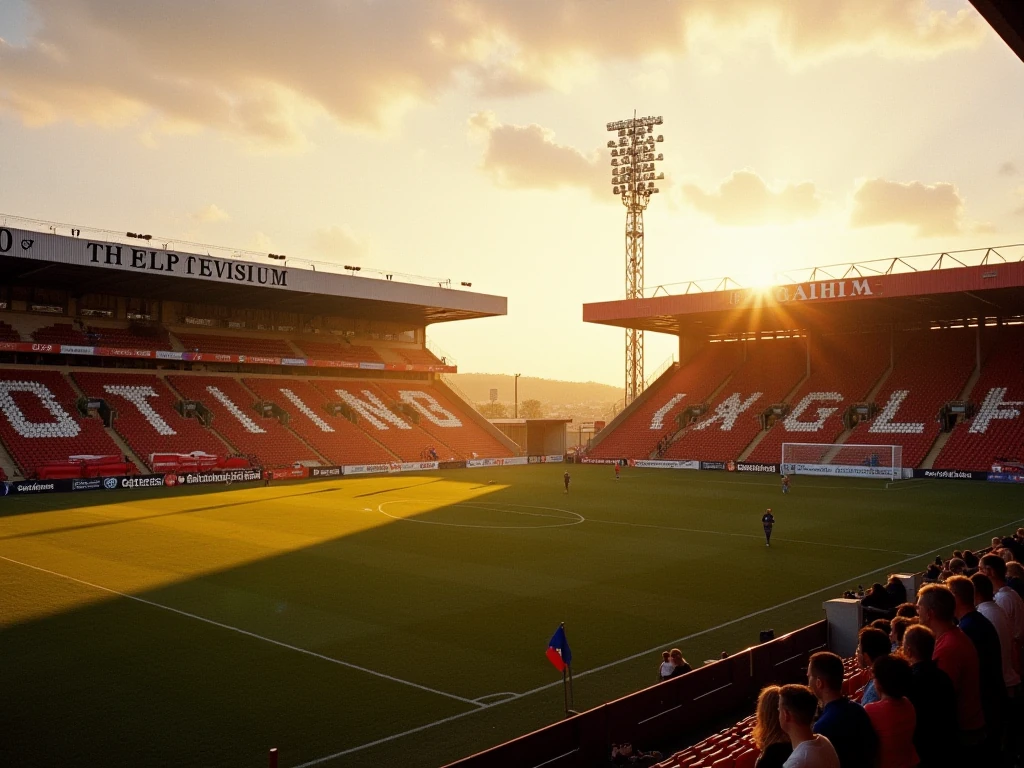
The Heed's tenacity was particularly evident in their fierce local rivalries, especially against Newcastle Blue Star. Matches against Blue Star didn't just represent points on the table-they were battles for local pride. The atmosphere at Gateshead International Stadium during these clashes was electric, with fans from both sides creating a vibrant atmosphere that added to the intensity of the competition. The rivalry not only fueled the players on the pitch but also strengthened the bond between supporters and the club.
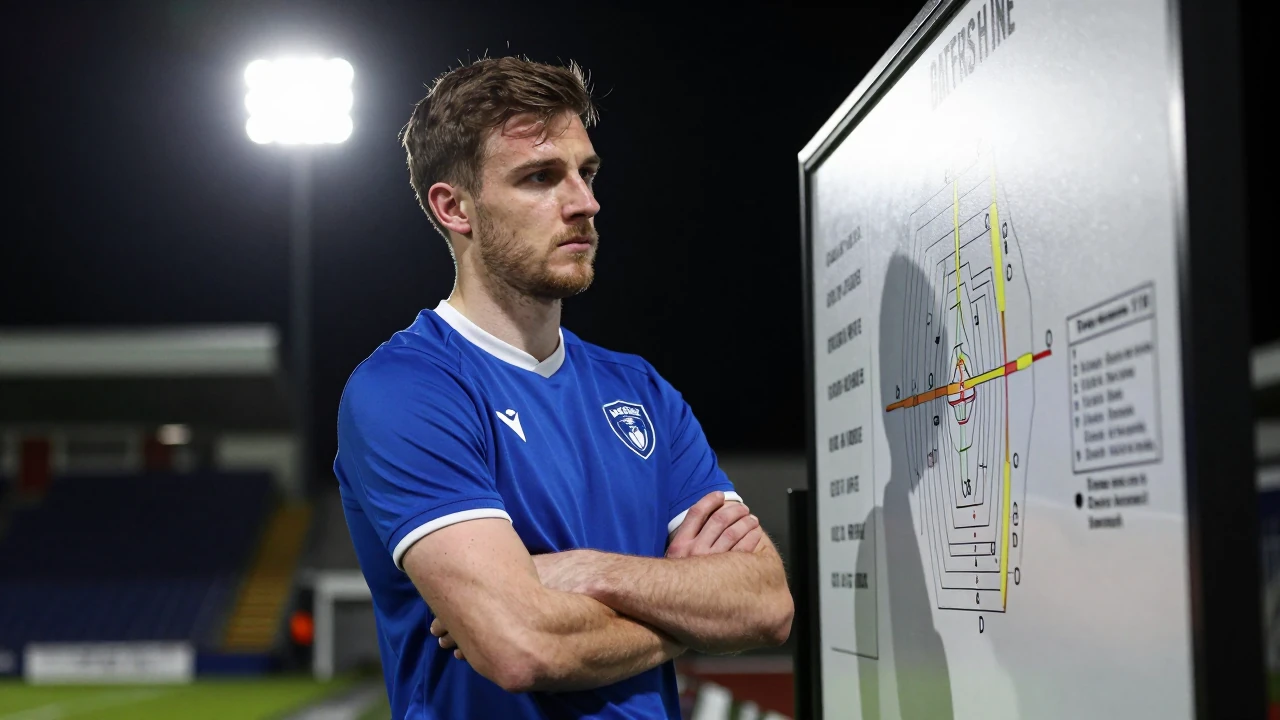
Under the management of George McLean, Gateshead began to establish itself as a formidable force in the league. His leadership style, characterized by an emphasis on teamwork and discipline, helped to foster a sense of unity among the players. This unity was crucial, as it allowed The Heed to compete against teams with more resources and experience. Key players emerged during this time, and their contributions were vital to the team's success and overall morale.
As the decade progressed, the club's performances began to attract attention beyond the local community. Gateshead made notable runs in various cup competitions, showcasing their ability to compete at higher levels. Fans rallied behind the team, and the growing support was a clear indication of the club’s rising stature. The camaraderie within the squad and the passionate backing from the terraces turned Gateshead International Stadium into a fortress where opponents feared to tread.
Despite facing challenges, such as financial constraints and the ever-present threat of relegation, the spirit of the Gateshead fans remained unbroken. Their unwavering support during tough times demonstrated a loyalty that is often cited as the lifeblood of the club. The Heed's supporters became known for their vocal encouragement and dedication, creating an atmosphere that players cherished and thrived in.
The culmination of the decade saw Gateshead not only survive but thrive in the face of adversity, setting the stage for the club’s evolution in the years to come. The foundations laid during this era would influence the future direction of the club, ensuring that the spirit of The Heed would endure.
In conclusion, the 1980s were more than just a decade of football for Gateshead FC; they were a time of identity formation and community building. The legacy of this period continues to resonate within the club today, as both players and fans carry forward the pride and passion that characterized The Heed during those memorable years.