
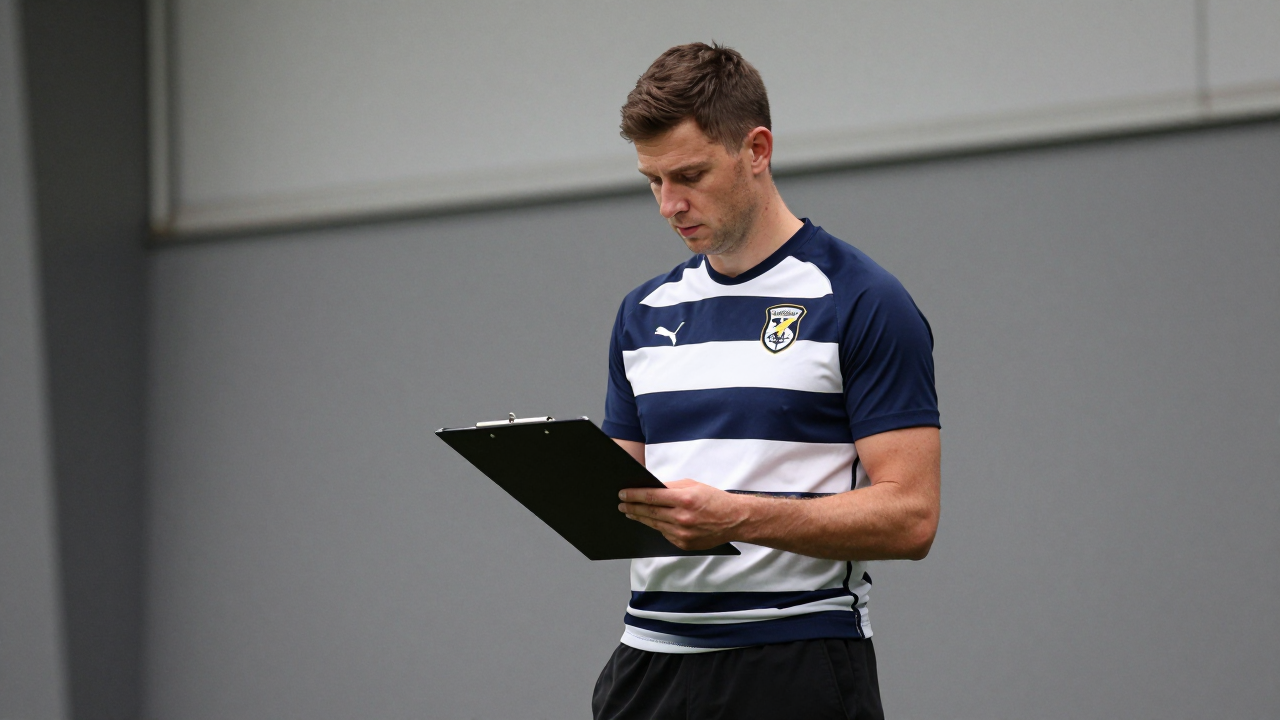
As Gateshead look to solidify their position in the National League, recent form has underscored both strengths and weaknesses that warrant closer examination. With a mix of promising performances and frustrating setbacks, it’s clear that tactical adjustments could be the key to unlocking more consistent results and maintaining momentum against tougher opponents.
Current Tactical Setup
Gateshead has often deployed a 4-3-3 formation, which has allowed them to exploit width and utilize the pace of their wingers. However, recent matches have revealed a tendency for the midfield to become overcrowded, leading to a lack of fluidity in transitioning from defense to attack. The midfield trio, while industrious, occasionally fails to connect effectively with the forward line, resulting in isolated forwards and limited goal-scoring opportunities.
Suggested Tweaks
1. Adjusting the Midfield Triangle One potential tweak could be to shift to a 4-2-3-1 formation, which would provide a more balanced structure. By deploying two holding midfielders, Gateshead could strengthen their defensive base, allowing the attacking midfielder more freedom to roam and link up play with the forwards. This change could help in maintaining possession and creating more chances from deeper positions.
2. Winger Responsibilities Another adjustment could involve redefining the roles of the wingers. Instead of solely relying on their pace to stretch the opposition, they could be encouraged to cut inside more frequently. This would not only open up space for overlapping full-backs but also create more opportunities for central attackers to exploit the spaces vacated by defenders drawn out wide.
3. High Pressing Strategy Implementing a high pressing strategy might also prove beneficial. By pressing opponents high up the pitch, Gateshead could disrupt their build-up play and regain possession in advanced areas. This would not only increase the chances of scoring from turnovers but could also instill confidence in the players by demonstrating an aggressive intent.
Defensive Cohesion
While adjustments in attack are crucial, maintaining a solid defensive unit is equally important. The back line has shown resilience at times, but lapses in concentration have allowed opponents to capitalize on set pieces and counter-attacks. Reinforcing communication and ensuring that defenders are aware of their roles in both defensive and transitional phases will be vital as the season progresses.
Conclusion
Gateshead have the talent and potential to challenge higher up the table, but optimizing their tactical approach is essential for achieving consistency. By implementing these suggested tweaks-restructuring the midfield, redefining winger roles, and enhancing defensive cohesion-the Heed can aim for a more dynamic and effective playing style. As the season unfolds, it will be interesting to see how these adjustments impact their performance and overall aspirations in the National League.